Aligning Bonus Triggers with Live Odds Fluctuations in Mobile Sports Platforms
Écrit par Finley Flores · 13/9/2026
Aligning Bonus Triggers with Live Odds Fluctuations in Mobile Sports Platforms
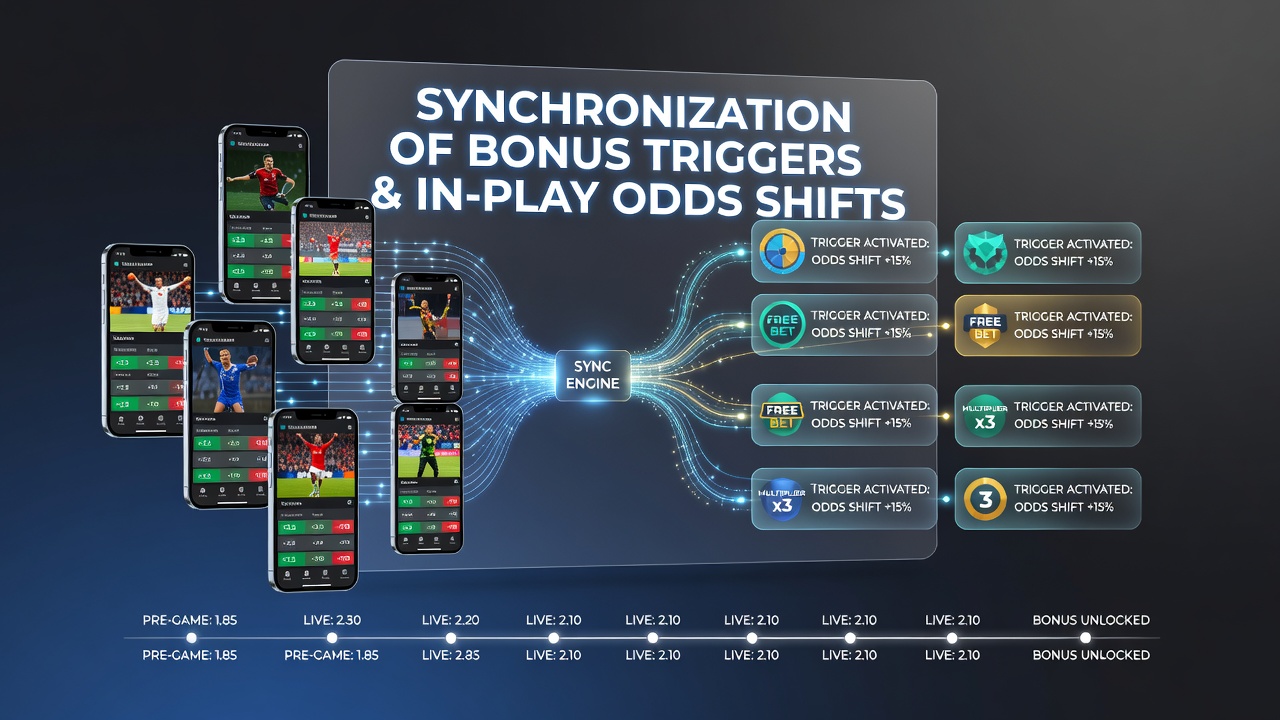
Platforms that deliver mobile sports wagering have developed systems where bonus activations align directly with real-time odds adjustments during live events, and this coordination relies on integrated data feeds that update both promotional triggers and pricing models simultaneously. Observers note that such synchronization allows operators to respond to game developments like goals, injuries, or momentum shifts while presenting users with tailored incentives at the precise moment odds change.
Core Components of Real-Time Odds Management
Live odds engines pull data from multiple sources including official league feeds, statistical models, and market movements, then recalculate probabilities within seconds after each event occurrence. When a shift happens, the system evaluates predefined rules to determine whether a bonus trigger should activate, such as offering enhanced odds on the next wager or unlocking a free bet credit. Data from industry reports shows these processes handle thousands of concurrent users across events without noticeable delays on mobile networks.
Developers implement application programming interfaces that connect the odds calculation layer directly to the promotions engine, which means a change in one area instantly informs the other. For instance, during a tennis match where a favorite drops a set, the odds on an underdog improve and the platform may simultaneously release a cashback offer tied to that specific market. Researchers at institutions studying digital gambling systems have documented how these linked processes reduce latency compared to separate modules that require manual intervention.
Bonus Structures and Trigger Conditions
Common bonus types in mobile sports applications include deposit matches, risk-free bets, and loyalty multipliers, each governed by conditions that reference live data points. A trigger might require the user to place a bet within a narrow time window after an odds movement, or it could activate automatically when certain volatility thresholds are crossed in the pricing algorithm. Platforms track these events through user session data and device identifiers to ensure compliance with wagering requirements that vary by jurisdiction.
Technical Integration Across Mobile Environments
Mobile applications employ background processes and push notification frameworks to maintain synchronization even when users navigate away from the main betting screen. These systems monitor network conditions and adjust data refresh rates accordingly, which helps preserve battery life while keeping bonus eligibility current. One study revealed that applications using edge computing nodes closer to users experience fewer desynchronization events during peak traffic periods around major tournaments.
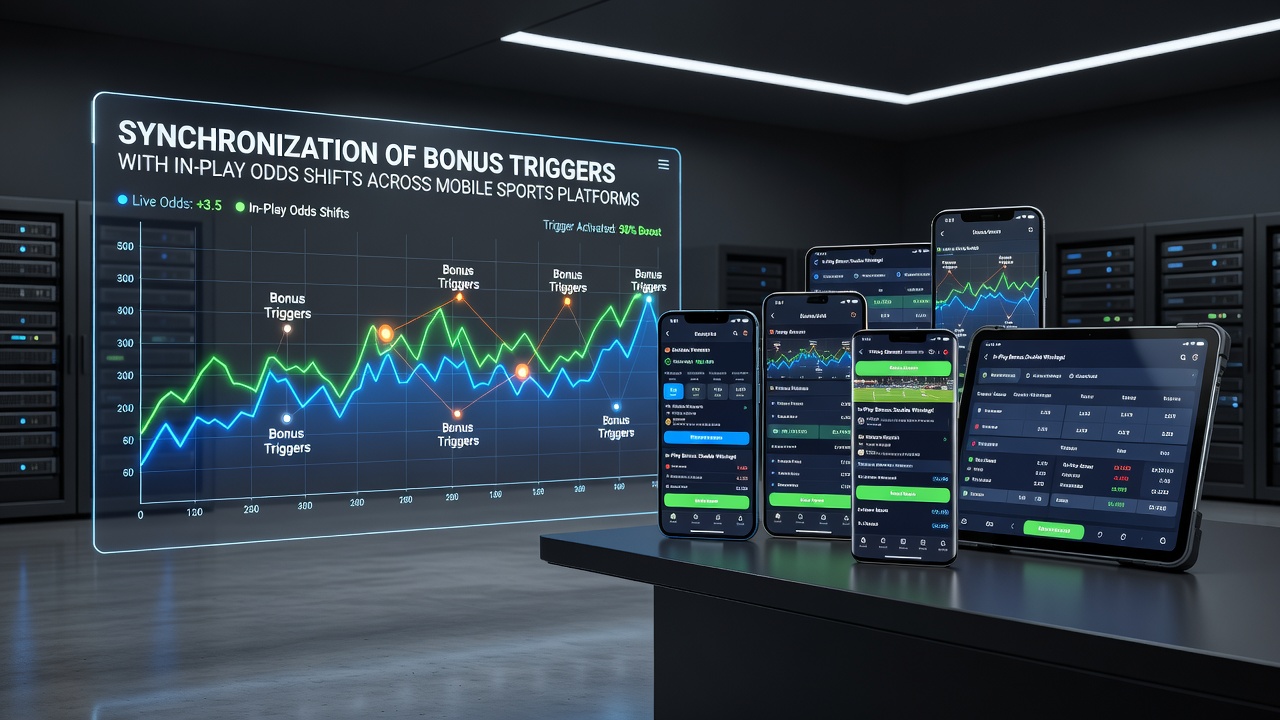
Security protocols encrypt both odds updates and bonus status changes to prevent tampering, and audit logs record every synchronization event for regulatory review. Operators in regions overseen by bodies such as the Victorian Commission for Gambling and Liquor Regulation must demonstrate that their systems maintain accuracy under load. Integration testing occurs regularly, with scenarios simulating rapid score changes in sports like basketball or hockey to verify that bonuses appear only when intended.
Regional Regulatory Approaches and Data Standards
Different jurisdictions impose distinct requirements on how promotional content interacts with live markets. In Australia, state-level authorities require clear separation between odds displays and bonus messaging to avoid misleading users during volatile periods. European operators follow guidelines from the Malta Gaming Authority that mandate logging of all trigger events for dispute resolution purposes. These rules encourage platforms to build auditable trails that connect each bonus release to a documented odds shift.
Industry associations compile statistics showing adoption rates of synchronized systems, and figures indicate growth in markets where mobile penetration exceeds 70 percent. Academic papers examining user behavior patterns note that timely bonus delivery correlates with higher session durations, although platforms must balance this with responsible gambling measures embedded in the same technical stack.
Future Developments Expected by September 2026
By September 2026, advancements in artificial intelligence are projected to refine the precision of these synchronized systems, allowing predictive models to anticipate odds movements and pre-stage relevant bonuses. Mobile operating system updates may introduce new APIs that further reduce the time between a live event and both the odds revision and the promotional response. Observers expect continued emphasis on cross-border compliance frameworks as more operators expand their mobile offerings globally.
Conclusion
The alignment of bonus triggers with in-play odds shifts represents a technical evolution in mobile sports platforms that combines data integration, regulatory compliance, and user interface design. As these systems mature, they continue to draw from advancements in real-time computing and regional oversight to maintain operational integrity across diverse markets.