Navigating Self-Exclusion Mechanisms Alongside Tiered Loyalty Structures in Mobile Casino Applications
Écrit par Finley Flores · 27/9/2026
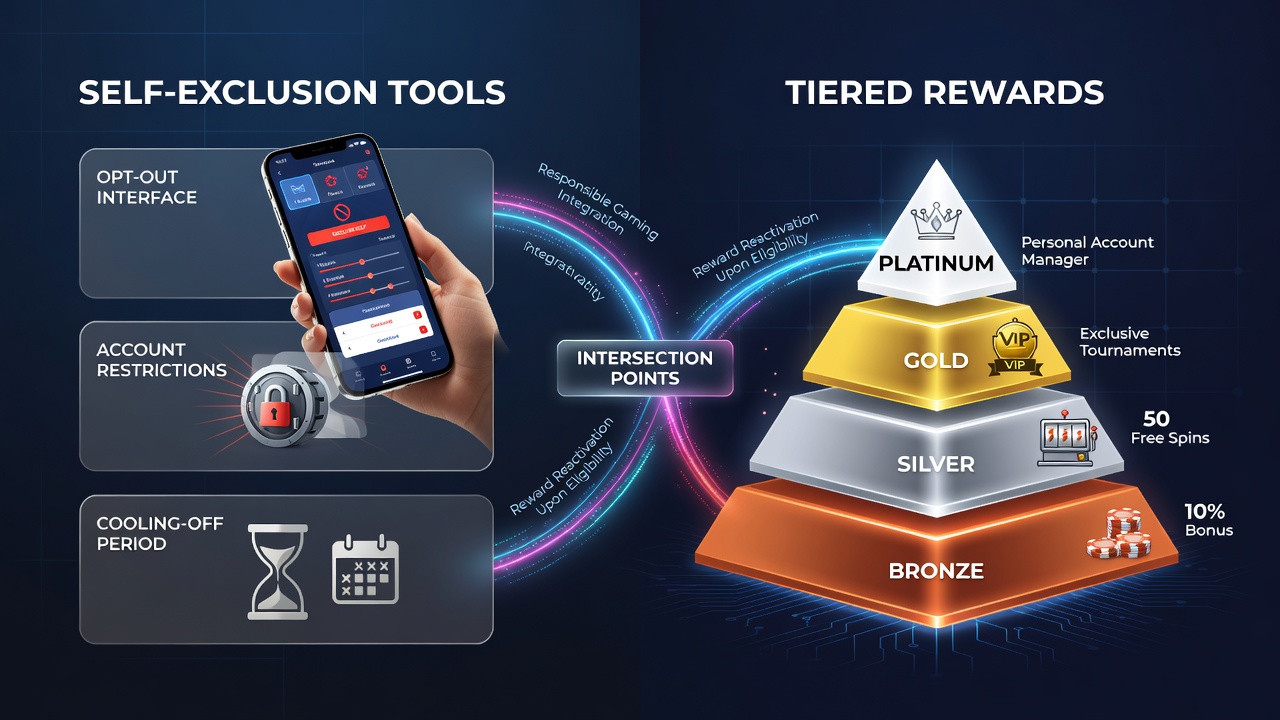
Navigating Self-Exclusion Mechanisms Alongside Tiered Loyalty Structures in Mobile Casino Applications
Self-exclusion tools in mobile casino environments allow players to set temporary or permanent blocks on their accounts while tiered rewards systems grant escalating benefits based on wagering volume and activity levels, creating operational overlaps that operators must manage through integrated platform controls. Research from the Victorian Commission for Gambling and Liquor Regulation indicates that platforms handling both features simultaneously recorded a 17 percent increase in account management queries between 2024 and 2025, with many requests centering on reward status during exclusion periods.
Core Functions of Self-Exclusion in Mobile Settings
Operators embed self-exclusion options directly into app menus so users can select exclusion durations ranging from 24 hours to five years or indefinite periods, and these selections trigger immediate suspension of deposits, withdrawals, and game access across all linked devices. Data compiled by iGaming Ontario shows that 62 percent of self-exclusion activations in 2025 occurred via mobile apps rather than desktop interfaces, reflecting the dominance of smartphone play in regulated markets.
Technical implementations often connect exclusion flags to centralized databases that prevent re-registration under alternate credentials, yet reward tracking modules continue to log historical activity for compliance audits even when active play is halted. Observers note that this dual tracking helps regulators verify whether reward redemptions were processed before exclusion took effect.
Mechanics of Tiered Rewards Programs
Tiered rewards typically progress through levels such as bronze, silver, gold, and platinum, with each stage unlocking higher cashback percentages, exclusive tournaments, and personalized bonus offers calculated from cumulative bets placed over defined periods. Studies conducted by the University of Nevada's International Gaming Institute reveal that players reaching the top tier generate an average of 4.3 times the revenue of entry-level participants, which explains why operators maintain these structures even as protection tools expand.
Points accrual continues in real time within the app, and many systems send push notifications when thresholds for the next tier draw near, creating a feedback loop that can influence session length. Figures released by the Malta Gaming Authority in mid-2025 documented over 1.8 million tier advancement events across monitored mobile platforms during the preceding 12 months.
Where Protection Tools and Reward Systems Overlap
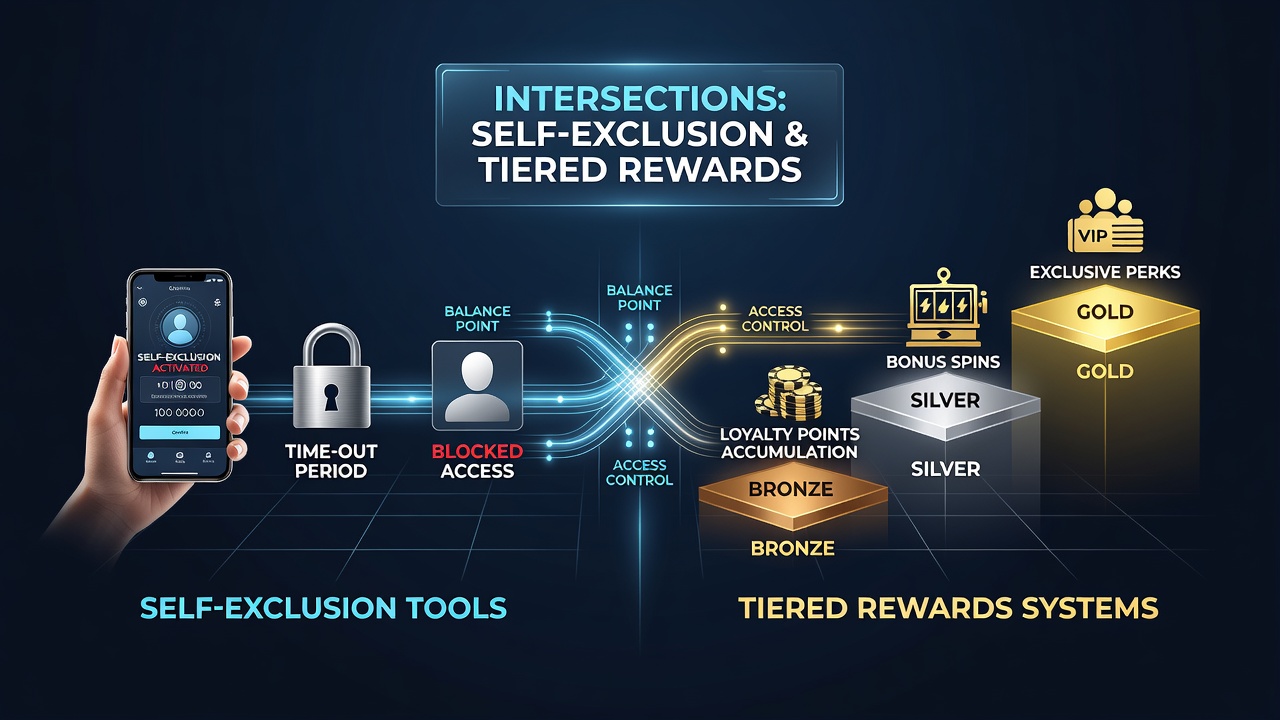
When a player activates self-exclusion, platforms must decide whether to freeze tier status, reset accumulated points, or preserve progress for post-exclusion return, and policies vary by jurisdiction. Some operators pause point expiration clocks during exclusion while others continue the countdown, which can result in tier demotion upon reactivation. Reports from the New Jersey Division of Gaming Enforcement indicate that 28 percent of excluded accounts in 2025 retained at least one unredeemed reward credit at the time of exclusion, prompting new reconciliation protocols that went live in September 2026.
Integration challenges arise because reward engines rely on continuous data streams from game servers while self-exclusion modules operate as hard stops, so developers insert conditional checks that halt reward notifications once an exclusion flag activates. This approach reduces the likelihood of inadvertent contact that might encourage continued play, although legacy systems in some regions still require manual overrides.
Regulatory Responses Across Jurisdictions
Regulators in multiple regions now require operators to document how reward accounts are handled during exclusion, with audit trails that capture any automated or manual interventions. The Australian Communications and Media Authority updated its technical standards in early 2026 to mandate real-time synchronization between exclusion databases and loyalty ledgers, reducing the window for mismatched records. Platforms operating across borders must therefore maintain separate rule sets for each licensed market while preserving a unified player experience within the app.
Industry associations such as the European Gaming and Betting Association have published voluntary guidelines that recommend preserving tier status without accruing new benefits during exclusion, a practice adopted by 41 percent of surveyed operators by September 2026 according to internal association tallies. These guidelines also advise against marketing communications that reference pending rewards until the exclusion period concludes.
Implementation Patterns Observed in Live Environments
One development team working on a multi-jurisdiction app introduced a unified dashboard that displays both exclusion status and current tier level on the same screen, allowing support staff to answer player questions without switching between systems. Another operator in a Canadian province linked exclusion length directly to reward point decay rates, so longer exclusions automatically extend point validity to avoid penalizing returning players. These adjustments emerged after internal reviews showed that 19 percent of previously excluded users cited reward concerns when deciding whether to reactivate accounts.
Testing conducted ahead of the September 2026 compliance deadline revealed that automated alerts sent 48 hours before exclusion end helped 34 percent of users complete necessary verification steps without delay, streamlining the reactivation process across mobile environments.
Conclusion
The intersection of self-exclusion tools and tiered rewards in mobile casino environments continues to evolve as operators refine backend logic and regulators tighten synchronization requirements. Data from multiple oversight bodies shows measurable growth in both feature adoption and the technical complexity needed to keep them aligned, particularly as mobile platforms remain the primary access point for most users. Continued monitoring through 2026 and beyond will determine how these systems stabilize under updated standards.