Regulatory Compliance and Reward Accumulation Dynamics in Global Wagering Interfaces
Écrit par Henrik Becker · 25/10/2026
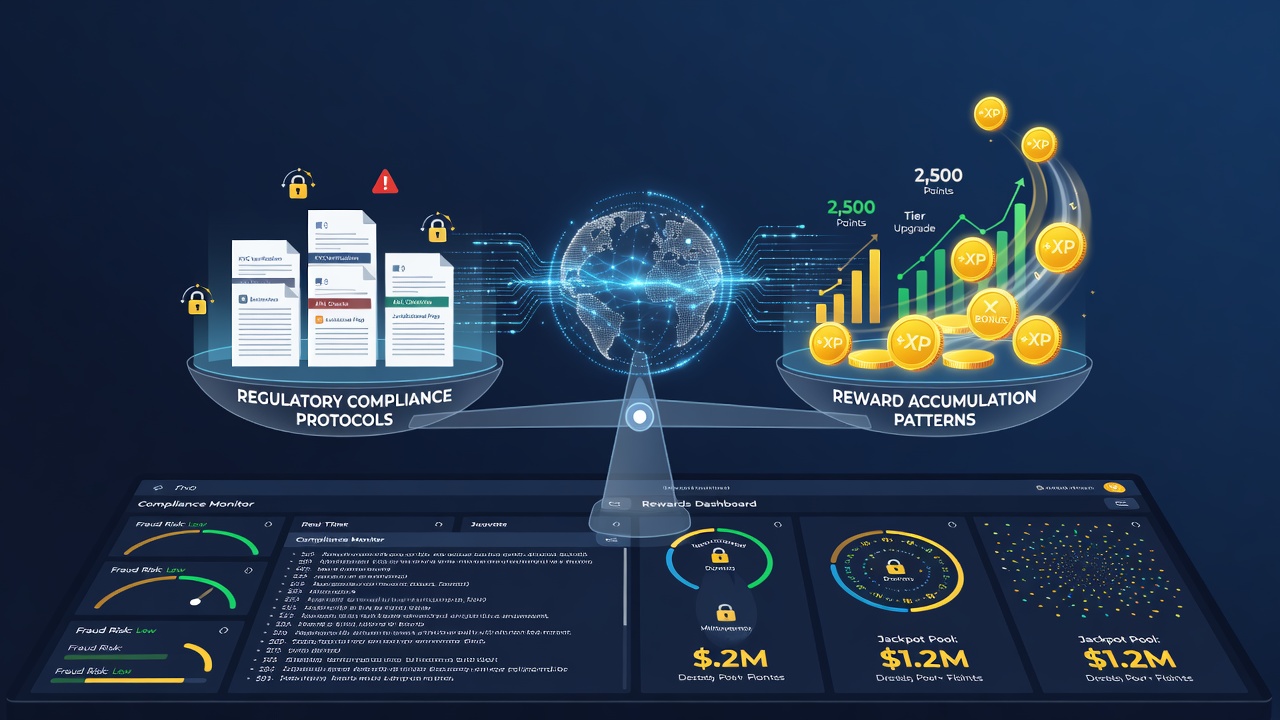
Regulatory Compliance and Reward Accumulation Dynamics in Global Wagering Interfaces
International wagering interfaces operate under layers of regulatory requirements that govern everything from user verification to transaction monitoring, yet these same platforms must also sustain reward accumulation patterns that encourage ongoing participation through points, tiers, and bonus structures. Data from multiple jurisdictions shows that operators allocate substantial resources to automated systems capable of flagging restricted activities while simultaneously calculating loyalty multipliers, and this dual function creates operational workflows that span legal teams, software engineers, and compliance officers across continents.
Core Regulatory Elements Affecting Reward Design
Regulatory bodies in various regions impose specific constraints on how rewards can be structured and delivered, with rules often targeting bonus wagering requirements, maximum payout caps on promotional funds, and mandatory cooling-off periods after certain accumulation thresholds are reached. According to reports issued by the Nevada Gaming Control Board, platforms must maintain detailed audit trails that link every reward credit to verified account activity, which means reward engines cannot distribute points or bonuses until identity checks and source-of-funds reviews clear the transaction queue. In parallel, Canadian provincial regulators require that loyalty programs exclude users who have activated self-imposed deposit limits, forcing integration between compliance databases and reward ledgers so that points stop accruing the moment a restriction activates.
European frameworks add further variables because member states enforce differing standards on bonus advertising and responsible gambling messaging, and operators serving multiple countries must therefore maintain region-specific reward rulesets within a single unified interface. Researchers at the University of Sydney documented in 2025 that cross-border platforms frequently deploy geofencing combined with reward throttling algorithms, which reduce accumulation rates for users located in jurisdictions with stricter oversight while preserving full rates elsewhere.
Technical Integration of Compliance Checks and Accumulation Logic
Modern wagering systems rely on real-time data pipelines that evaluate every bet, deposit, and session against compliance parameters before reward calculations proceed, and this sequencing prevents violations while still allowing eligible users to progress through loyalty tiers. Software architectures commonly separate compliance modules from reward engines through API gateways, yet the two must exchange signals continuously so that a flagged account immediately ceases point generation without disrupting the overall user experience for compliant players. Industry analyses from the European Gaming and Betting Association indicate that such integrations reduce manual review workloads by up to 60 percent when machine learning models accurately predict high-risk patterns ahead of reward disbursement.

As of October 2026, several major operators have rolled out updated compliance layers that incorporate behavioral analytics directly into reward scoring, which means session length, bet variety, and deposit frequency influence both risk scores and point multipliers in tandem. These combined models allow platforms to grant accelerated accumulation to low-risk profiles while automatically capping or pausing rewards for accounts that trigger monitoring thresholds, and the approach satisfies regulatory demands for proactive harm minimization without eliminating incentive structures entirely.
Regional Variations in Reward Governance
Australian state-level legislation requires that reward programs publish clear terms linking accumulation rates to responsible gambling tools, and operators must demonstrate that users cannot reach higher tiers solely through high-volume betting that bypasses time-based limits. In contrast, certain Latin American markets emphasize tax reporting tied to reward redemptions, which necessitates additional tracking fields in the loyalty database to record each converted bonus as taxable income. Observers note that these differences compel international platforms to maintain modular reward rule engines that can be reconfigured per jurisdiction without rebuilding the entire accumulation system from scratch.
Studies compiled by the National Council on Problem Gambling reveal that reward programs incorporating compliance gates experience lower rates of disputed transactions, because users receive advance notice when accumulation pauses due to regulatory holds rather than discovering restrictions only at redemption time. This transparency reduces support ticket volume while maintaining the perception that reward systems operate fairly within legal boundaries.
Future Developments in Unified Oversight Systems
Emerging standards under discussion in multiple regulatory forums point toward shared data repositories that would allow operators to exchange anonymized compliance signals across borders, thereby streamlining reward eligibility checks for users who travel or maintain accounts in several markets. Such repositories would still require robust encryption and access controls, yet they could reduce duplicate verification steps and let reward accumulation resume more quickly once a user satisfies all relevant regional requirements. Technical pilots scheduled for late 2026 aim to test whether these shared signals can integrate with existing loyalty ledgers without introducing latency that affects real-time point awards during live events.
Conclusion
Balancing regulatory compliance protocols with reward accumulation patterns demands continuous coordination between legal mandates, technical infrastructure, and user-facing incentive mechanisms across every international wagering interface. Evidence from regulatory filings, academic reviews, and industry reports demonstrates that successful implementations rely on modular architectures capable of applying jurisdiction-specific rules while preserving the core logic that drives loyalty progression. As platforms continue to refine these integrations through 2026 and beyond, the focus remains on maintaining verifiable audit trails that satisfy oversight bodies without severing the reward pathways that sustain user engagement.